What is Chikankari embroidery?
It’s more than just threadwork — it’s the poetry of stitches, the art that gives fabric a voice. Born in the royal courts of Lucknow, this delicate embroidery form represents India’s timeless craftsmanship, culture, and grace.
In this article, we’ll explore everything about Chikankari embroidery — its origin, types, process, fabrics, stitches, and modern evolution, with proper keyword placement and SEO structure.
The Historical Origin of Chikankari Embroidery
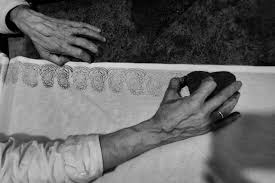
The journey of Chikankari embroidery begins in the Mughal era, around the 16th–17th century. It is believed that Empress Nur Jahan, the talented and artistic wife of Emperor Jahangir, brought this fine embroidery technique from Persia to India.
Lucknow, already known for its tehzeeb (graceful culture), became the perfect land to nurture this art. Over time, Chikankari evolved from royal attire to a traditional heritage embraced by all.
The word ‘Chikan’ is derived from the Persian word Chikeen, meaning delicate or fine embroidery.
What is Chikankari Embroidery? (Definition)
Chikankari embroidery is a traditional hand embroidery technique from Lucknow, Uttar Pradesh, where artisans use fine threads to create elegant floral, paisley, and geometric motifs on soft fabrics.
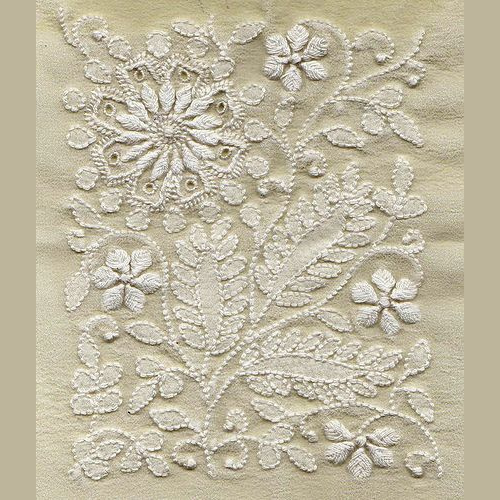
Originally, it was done with white cotton thread on muslin fabric, giving it the signature white-on-white appearance. Today, Chikankari is made on cotton, chiffon, georgette, silk, and organza, with colored threads adding a modern touch.
The Making of Chikankari – A Step-by-Step Process
The beauty of Chikankari embroidery lies in its detailed, hand-done process. Each step involves craftsmanship and patience, showcasing why every piece is unique.
1. Design Tracing
A floral or paisley design is first hand-drawn and then block-printed on the fabric using a removable ink paste.
2. Hand Embroidery
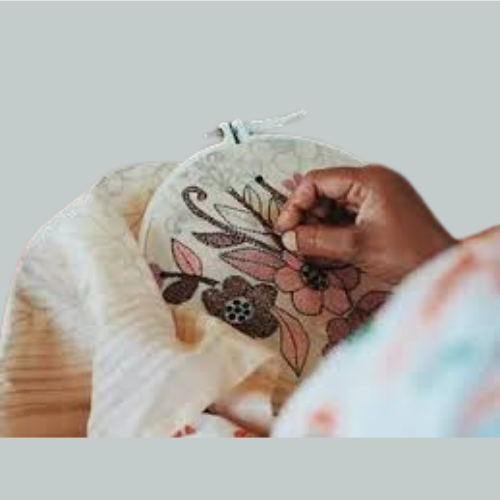
Artisans carefully embroider over the printed design using fine cotton threads. Each motif is made with different types of stitches, creating varied textures and depths.
3. Washing and Finishing
After embroidery, the fabric is thoroughly washed to remove the ink outlines. It is then starched and ironed, revealing the final delicate design.
Types of Stitches in Chikankari Embroidery
Chikankari stitches are what make this art form stand out. There are nearly 36 traditional stitches, each used for specific textures and designs.
Tepchi (Running Stitch)
A simple running stitch forming outlines and base designs — often used in borders.
Bakhiya (Shadow Work)
The most recognizable stitch — worked from the back of the fabric to create a shadow-like pattern on the front.
Phanda and Murri
Tiny grain-like stitches that form buds and centers of flowers, giving the design texture.
Hool
A small eyelet stitch made in the center of motifs for a delicate, floral look.
Jaali Work
The famous net-like pattern of Chikankari, achieved without cutting the threads — pure proof of a skilled artisan.
Fabrics and Colors Used in Chikankari
Traditionally, Chikankari embroidery was made on muslin or mulmul using white thread, giving a royal and subtle look. But today’s Chikankari blends pastel hues and modern fabrics to create versatile, comfortable wear for every season.
Popular fabrics include:
- Cotton
- Georgette
- Chiffon
- Organza
- Silk
The Lucknowi Chikankari kurta, with its soft colors and light touch, remains a timeless wardrobe favorite.
The Cultural Significance of Chikankari
Chikankari isn’t just a craft — it’s Lucknow’s identity. Every stitch carries the essence of grace, patience, and tradition.
For centuries, it has been worn by Nawabs, queens, and now by global icons. The craft symbolizes sophistication and simplicity, making it suitable for both festive and casual wear.
The Chikankari artisans of Lucknow, mostly women, continue to preserve this cultural legacy, passing it through generations.
Global Recognition of Chikankari Embroidery
In 2008, Lucknow Chikankari received the Geographical Indication (GI) tag, officially recognizing it as a heritage craft unique to Lucknow.
Today, designers like Manish Malhotra, Abu Jani Sandeep Khosla, and Anjul Bhandari have redefined Chikankari for global fashion, bringing it to international runways.
From Bollywood celebrities to global influencers, Chikankari embroidery continues to shine as a symbol of Indian craftsmanship.
Chikankari in Contemporary Fashion
In today’s fashion world, Chikankari embroidery has beautifully merged with modern designs. Designers blend it with:
- Zardozi and sequins work for luxury looks.
- Denim, jackets, and fusion dresses for a youthful twist.
- Home décor and accessories, like cushion covers and dupattas.
Brands and platforms like Naqsh-e-Lucknow play a major role in reviving this traditional art through digital storytelling and cultural marketing.
How to Identify Authentic Chikankari Embroidery
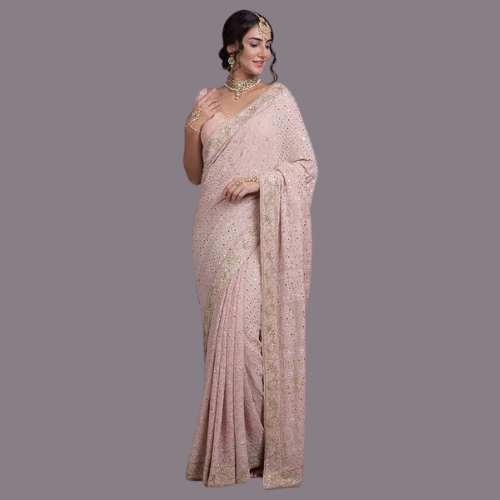
With machine-made imitations flooding markets, identifying authentic Chikankari is crucial. Here’s how you can tell:
- Check the reverse side: Hand embroidery always shows uneven threads and knots.
- Look for soft fabric texture: Original Chikankari is done on breathable, natural fabrics.
- Ask for GI tag verification: Genuine pieces from Lucknow come with GI certification.
- Examine the design depth: Authentic Chikankari features layered, shadowed motifs — not flat patterns.
The Lives of Chikankari Artisans
Each Chikankari masterpiece is the result of hours of dedication by artisans — often rural women from Lucknow’s outskirts. Many of them have inherited this skill from their mothers and grandmothers.
Platforms like Naqsh-e-Lucknow aim to empower these artisans by connecting their art to the global stage through storytelling and digital presence.
Their hands don’t just weave — they preserve centuries of tradition.
Why Chikankari Embroidery Remains Timeless
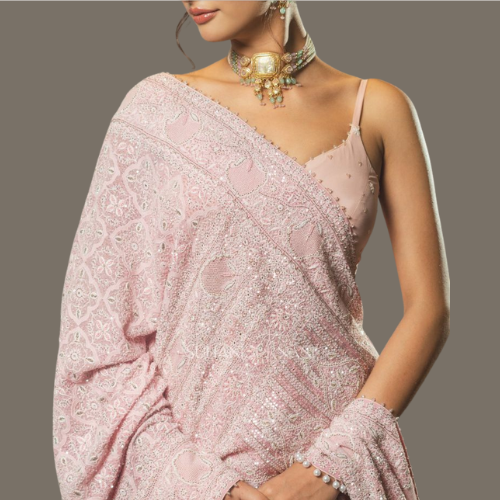
Even in the age of fast fashion, Chikankari embroidery continues to hold a special place for its:
- Sustainability (handmade, natural materials)
- Cultural depth (centuries-old artistry)
- Versatility (suitable for all seasons and occasions)
Every Chikankari kurta, saree, or dupatta carries the heart of Lucknow — soft, graceful, and eternal.
What is Chikankari embroidery famous for?
It is known for its fine hand-stitched patterns, lightness, and royal aesthetic originating from Lucknow.
Who started Chikankari embroidery in India?
Empress Nur Jahan, wife of Mughal Emperor Jahangir, introduced Chikankari in the 17th century.
What fabrics are used in Chikankari?
Mainly cotton, chiffon, georgette, silk, and organza.
How to check if Chikankari is handmade?
Look for uneven stitches, knots at the back, and GI tag certification from Lucknow.
Is Chikankari still popular today?
Yes, it remains a global fashion statement for its elegance and eco-friendly craftsmanship.
Conclusion
So, what is Chikankari embroidery?
It’s not merely thread on cloth — it’s Lucknow’s soul, artistry, and emotion, intricately woven into every pattern.
From Mughal palaces to modern wardrobes, Chikankari continues to define elegance and cultural pride.
Naqsh-e-Lucknow celebrates this legacy — preserving the craft, the artisans, and the heritage of India’s most graceful embroidery form.