Lucknow, the city of Nawabs, is synonymous not only with its rich history and culinary delights but also with a vibrant tradition of craftsmanship that has stood the test of time. Central to this legacy are the innumerable contributions of women artisans, whose creativity, skill, and resilience have been instrumental in sustaining and evolving Lucknow’s craft heritage.
From the intricate stitches of Chikankari embroidery to the ornate beauty of Zardozi work, women have been the custodians of these traditional arts for centuries. Their role extends beyond mere craftspersonship; it embodies cultural preservation, economic empowerment, and social transformation. This article explores the multifaceted role of women in Lucknow’s craft heritage — tracing their historical contributions, current challenges, and future prospects.
Table of Contents
Women and the Birth of Chikankari Embroidery
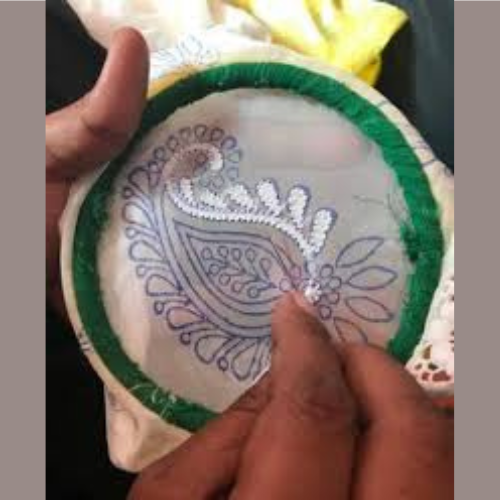
The story of Chikankari embroidery — arguably Lucknow’s most celebrated craft — is inseparable from the women who practiced and perfected it over generations. Dating back over 400 years, Chikankari’s origins are linked with the Mughal court, where noblewomen including Empress Nur Jahan are believed to have patronized and influenced its intricate designs.
- Domestic artisanship: Traditionally, Chikankari was a craft nurtured within households. Women stitched elaborate floral and paisley motifs on lightweight fabrics like muslin and cotton, often working from home.
- Intergenerational knowledge transfer: Mothers and grandmothers played a crucial role in teaching daughters, creating an unbroken lineage of skill and artistry. This generational knowledge ensured the survival of complex stitches such as Bakhiya, Phanda, Murri, and Jali.
- Symbol of refinement and femininity: For women of Lucknow, Chikankari was also a form of cultural expression, symbolizing grace and delicacy in line with the city’s Nawabi ethos.
The intimate involvement of women artisans made Chikankari not only a craft but a living tradition woven into the social fabric.
Beyond Chikankari: Women in Zardozi, Papier-Mâché, and Other Crafts
While Chikankari captures the limelight, women in Lucknow have significantly contributed to other traditional crafts as well:
- Zardozi embroidery: Known for its opulent metallic threadwork, Zardozi was another domain where women in artisan families excelled, particularly in urban settings where families ran embroidery workshops.
- Papier-mâché and lacquerware: Women were often responsible for the delicate painting and finishing touches on papier-mâché products — a craft that blends artistry with everyday utility.
- Pottery and textile arts: In rural outskirts, women engaged in hand-painting pottery and weaving textiles, helping sustain local economies.
These crafts collectively highlight women’s diverse skills and their vital role in the cultural economy of Lucknow.
Social and Cultural Dimensions of Women’s Craftsmanship in Lucknow
Craft as a Medium of Cultural Preservation and Identity
The handiwork of women artisans in Lucknow transcends economic utility; it serves as a powerful medium for cultural preservation. Through their embroidery and decorative work, women artisans narrate stories of local legends, religious symbolism, and Nawabi grandeur. Each stitch and pattern reflects centuries-old traditions, ensuring cultural continuity.
Craftsmanship also strengthens communal identity, especially among women who share techniques, motifs, and inspirations, creating a sense of belonging and pride.
Empowerment and Social Cohesion Through Craft
For many women, especially in historically patriarchal societies, craft work has provided a socially acceptable platform for economic participation and empowerment.
- Economic agency: Craft production allowed women to contribute to household income, often becoming primary earners or key financial supporters.
- Social networks: Women’s artisan groups and informal collectives fostered community cohesion, mutual support, and collective bargaining power. These circles became safe spaces for skill exchange and social interaction.
- Negotiating societal roles: Craftsmanship enabled women to negotiate traditional gender roles by working within domestic boundaries while engaging in productive labor.
These factors made craft a transformative force in women’s lives, blending cultural tradition with socio-economic empowerment.
Contemporary Landscape: Women Driving Lucknow’s Craft Revival
Modern-Day Women Artisans and Entrepreneurs
In recent decades, women in Lucknow have taken on dynamic roles in reviving and popularizing traditional crafts amid changing economic and social landscapes.
- Self-Help Groups (SHGs) and cooperatives: Supported by government and NGOs, many women artisans now participate in SHGs, gaining access to training, financial credit, and collective marketing platforms.
- Entrepreneurship and brand building: Women-led enterprises have emerged, selling authentic handicrafts globally through boutiques, exhibitions, and e-commerce portals, helping sustain livelihoods and promote cultural heritage.
- Skill development and design innovation: Training institutes in Lucknow focus on upgrading women’s technical and entrepreneurial skills, enabling them to innovate while preserving traditional aesthetics.
Challenges Faced by Women in Lucknow’s Craft Sector
Despite these advances, women artisans encounter several persistent challenges:
- Access to finance: Many women struggle to secure loans or capital for raw materials and business expansion.
- Market access and competition: Globalization has introduced mass-produced imitations, undermining the market for authentic handcrafted goods.
- Gender disparities: Social and cultural barriers often limit women’s mobility, education, and decision-making power.
- Work-life balance: Balancing household responsibilities with artisan work remains a significant challenge for many women.
Addressing these challenges through targeted policies and inclusive development programs remains crucial for the sustainable future of Lucknow’s craft heritage.
The Future of Women in Lucknow’s Craft Heritage: Opportunities and Prospects
Technology and Digital Empowerment
The digital revolution offers unprecedented opportunities for women artisans to overcome traditional barriers:
- E-commerce platforms like Etsy, Amazon Handmade, and regional craft portals empower women to reach global markets directly.
- Social media enables storytelling and brand building, allowing artisans to connect with customers and showcase their unique craftsmanship.
- Digital training programs help women acquire marketing, financial literacy, and design skills.
Policy Support and Cultural Preservation Efforts
Several government initiatives aim to uplift women artisans and preserve Lucknow’s crafts:
- Skill India Mission and Deendayal Antyodaya Yojana focus on artisan training and financial inclusion.
- Cultural festivals and exhibitions provide platforms for women artisans to gain recognition and expand markets.
- Geographical Indication (GI) tags protect the authenticity of crafts like Chikankari, ensuring fair economic benefits for artisans.
Collaborative efforts between government, NGOs, designers, and women artisans will be key to sustaining and growing this heritage.
Conclusion: Honoring the Indispensable Role of Women in Lucknow’s Craft Heritage
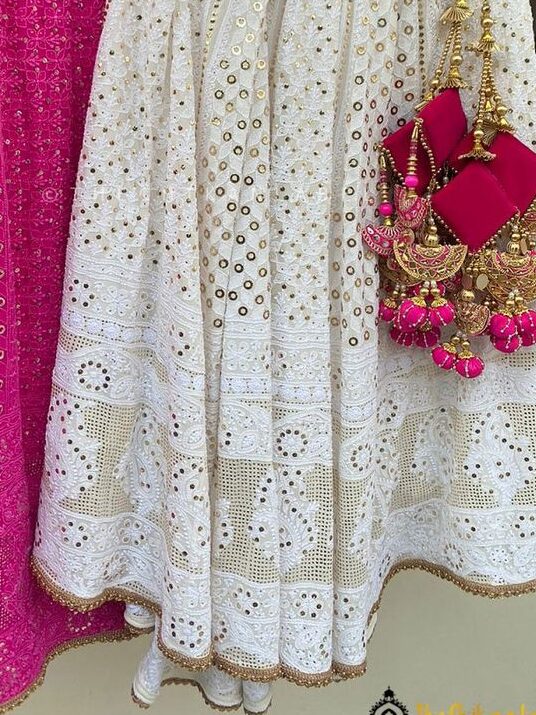
The story of Lucknow’s craft heritage is deeply intertwined with the lives and labors of women artisans. Their contributions have been the lifeblood of exquisite crafts like Chikankari and Zardozi, preserving centuries-old traditions while adapting to contemporary realities.
As custodians, innovators, and entrepreneurs, women in Lucknow continue to breathe life into this rich cultural legacy. Empowering them through education, technology, and policy support is not just a tribute to their past but a vital investment in the future of Indian craftsmanship.
By celebrating and supporting these women, we ensure that the soul of Lucknow’s craft heritage thrives for generations to come.
Click here to read more about chikankari
How have women influenced Lucknow’s Chikankari craft?
Women have been the primary artisans behind Chikankari embroidery, preserving traditional stitches and passing down the craft through generations.
What other crafts in Lucknow involve women artisans?
Women actively contribute to Zardozi embroidery, papier-mâché, pottery painting, and other traditional crafts.
How are women artisans in Lucknow being empowered today?
Through self-help groups, entrepreneurship, government schemes, skill development programs, and digital platforms.
What challenges do women face in sustaining Lucknow’s crafts?
They face limited access to finance, social and gender barriers, competition from machine-made products, and balancing work with family duties.
What role can technology play in the future of women artisans?
Technology provides platforms for marketing, sales, training, and global outreach, helping women artisans grow sustainably.