Introduction — The Legacy Behind the Chikankari Business 2025
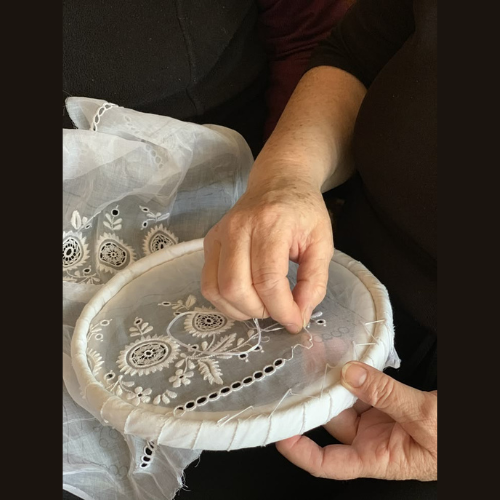
Start Chikankari business 2025, the intricate hand embroidery art of Lucknow, has been an emblem of India’s heritage for centuries. Known for its fine white thread work on soft fabrics like muslin, cotton, and georgette, Chikankari symbolizes elegance and patience.
With the rise in demand for handcrafted fashion, many entrepreneurs are now exploring how to start a Chikankari business — either online, offline, or through social media platforms. If you’re passionate about culture, fashion, and craftsmanship, starting a Chikankari business can be both a creative and profitable venture.
This article will guide you step-by-step through every essential phase — from understanding the craft to building a brand and reaching customers worldwide.
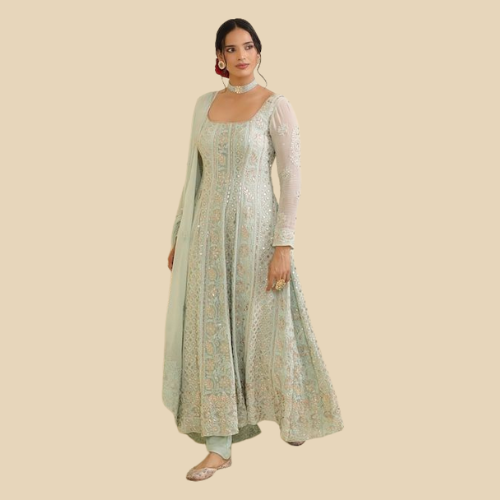
Table of Contents
Understanding the Chikankari Market
Before learning how to start a Chikankari business in 2025, you must understand the industry you’re entering.
The Rising Demand for Handcrafted Fashion
In recent years, sustainable and handmade fashion has gained massive attention. Consumers now prefer authenticity and artistry over mass-produced garments. Chikankari fits perfectly into this trend — each piece tells a story, stitched by skilled artisans from Lucknow.
According to various market reports, the Indian ethnic wear industry is projected to grow exponentially, and Chikankari has become one of the most sought-after segments.
Steps to Start a Chikankari Business
Let’s explore the complete process on how to start a Chikankari business from scratch.
Step 1 — Learn About the Craft
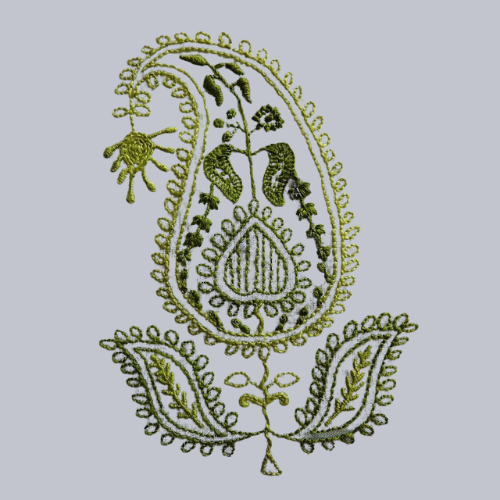
Before you begin, immerse yourself in the history and types of Chikankari embroidery.Learn about:
- Stitches like Phanda, Bakhiya, Keel Kangan, and Murri
- Fabric choices such as cotton, muslin, georgette, and chiffon
- The role of Lucknow artisans and how they preserve this art
Step 2 — Identify Your Business Model
There are several ways to start your Chikankari business:
- Manufacturing: Work directly with artisans and produce garments.
- Reselling: Buy finished products and sell them under your brand.
- Online Boutique: Build an e-commerce or digital showcase website like Naqsh-e-Lucknow to promote your collections.
- Decide whether you’ll start small (local exhibitions, pop-ups) or build an online brand targeting global customers.
Step 3 — Source Your Artisans and Materials
Your business will depend on the skill and authenticity of the artisans you collaborate with. Lucknow and nearby regions like Malihabad and Chowk are known for talented embroiderers.
Build trust with them, ensure fair pay, and create long-term partnerships.
Also, source high-quality fabrics, threads, and dyes from reputed suppliers.
Step 4 — Register Your Business and Brand
To make your business official:
- Register your firm (Sole Proprietorship / MSME / Private Limited).
- Apply for a GST number.
- Get your brand logo and trademark.
- Open a current bank account for transactions.
Building brand identity early will give you credibility when you scale.
Step 5 — Create Your Product Line
Diversify your products to attract different audiences:
- Chikankari Kurtis
- Sarees and Dupattas
- Men’s Kurta and Shirts
- Home Decor (cushion covers, tablecloths)
Experiment with modern color palettes while maintaining the traditional stitching patterns.
Step 6 — Build an Online Presence
In today’s digital age, visibility is everything. Create your brand website showcasing the artistry, process, and product range.
You can take inspiration from non-commercial storytelling sites like Naqsh-e-Lucknow — a digital marketing project that highlights the cultural essence of Chikankari.
Use Instagram, Pinterest, and Facebook to share reels, artisan stories, and product showcases. Consistency in branding builds trust and engagement.
Step 7 — Marketing and Promotion Strategies
This is where digital marketing plays a vital role.
To grow your Chikankari business:
- SEO Optimization: Use keywords like Chikankari kurti in Lucknow, hand embroidery business, Chikankari artisans.
- Social Media Marketing: Showcase “behind-the-scenes” videos.
- Influencer Collaborations: Partner with lifestyle bloggers.
- Email Marketing: Send newsletters featuring new collections or artisan stories.
- Google My Business: Register to attract local customers.
Step 8 — Pricing and Profit Planning
Understand your cost per product, including material, labor, and marketing. Add a reasonable margin based on product uniqueness.
Remember — customers are willing to pay more for authenticity and craftsmanship.
Start small with limited stock, analyze sales patterns, and adjust prices strategically.
Step 9 — Selling Platforms
You can sell Chikankari products through:
- Online: Your own website, Etsy, Amazon Handmade, or Instagram Shop.
- Offline: Exhibitions, Lucknow handloom fairs, and boutique stores.
Ensure your product photography is clear, minimal, and professional — visuals sell handcrafted art.
Step 10 — Scale and Expand
Once established, explore collaborations with:
- Fashion designers and boutiques.
- Export houses for global reach.
- Government handicraft schemes.
Offer customization, workshops, or limited-edition collections to increase engagement.
Challenges and Tips for New Entrepreneurs
Starting a Chikankari business involves challenges like artisan availability, production costs, and competition.
Tips for Success:
- Maintain quality control at every step.
- Build strong artisan relationships.
- Tell your brand story — people love emotional connections.
- Stay updated with fashion trends while preserving tradition.
Conclusion
Starting a Chikankari business in 2025 is more than an entrepreneurial dream — it’s a tribute to the art, culture, and artisans of Lucknow. If you’re exploring where the journey begins, you can also check out the best places to buy authentic Chikankari Kurtis in Lucknow, which will help you understand quality, pricing, and market trends. With patience, creativity, and strategic marketing, your venture can become both profitable and purposeful.
When you know how to start a Chikankari business, you’re not just building a brand — you’re preserving a centuries-old tradition, one thread at a time.